What you will learn:
Section 1: The Chemistry
Part 1: The Spark
Part 2: The Reaction
Part 3: The Creation of Ozone
Part 4: The Lifecycle of Ozone
Section 2: The Biology
Part 1a: How Ozone Destroys Skin Microbes
Part 1b: The Chemistry of Cellular Death
Part 1c: The Acne Connection - Cutibacterium Acnes
Part 2: The Clinical Evidence
Section 3: The Plasma
Part 1: The Plasma Physics
Part 2: The Photobiology of Violet Light (Argon)
Part 3: The Photobiology of Orange Light (Neon)
Section 4: The Benefits
Part 1: Tissue Response & Microcirculation
Part 2: Scalp & Hair Stimulation
Section 5: Methods & Techniques
Part 1: Technique
Part 2: Grounding
Section 6: Safety
Section 1: The Chemistry
Part 1: The Spark
At its core, a high frequency (HF) electrode is a miniaturized dielectric barrier discharge (DBD) system. This is a specialized scientific method used to create a controlled electrical discharge through an insulating material.
Here is a breakdown of how the components work together:
The Dielectric (The Glass): The glass electrode serves as an insulator, or “dielectric”. Its primary job is to act as a barrier that prevents the high frequency alternating current (AC) from flowing directly into your body as an electrical shock.
The Discharge (The Spark): Electrical energy builds up inside the electrode until it reaches enough pressure to “discharge” across the thin gap of air between the glass and your skin.
What are you actually seeing and hearing?
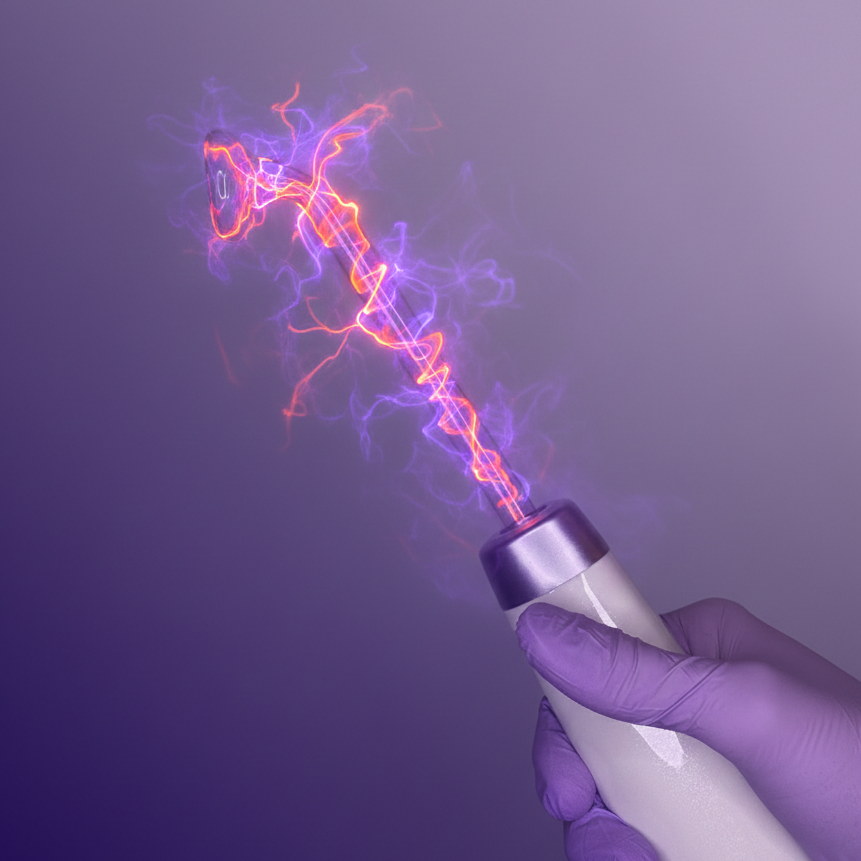
When you see the glow and hear the buzz of the wand, you are witnessing non-thermal microdischarges.
Non-Thermal (“Cold”): These sparks are unique because they are “cold.” While the electrons within the spark move with incredibly high energy, they move so rapidly that they do not transfer significant heat to your skin. This explains why the treatment feels like a tingle rather than a burn.
Microdischarges: Instead of delivering one large, painful shock, the glass barrier breaks the energy into thousands of microscopic, high-speed energy burst every second.
Summary: The device relies on high-frequency alternating current to create a stable plasma field. This ensures the microdischarges remain consistent, controlled, and safe for use on the face.
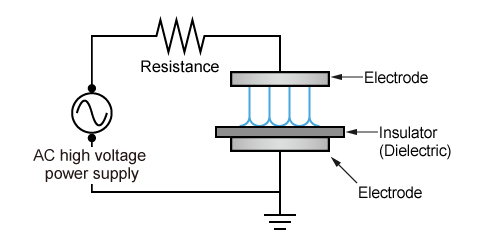
Dielectric barrier discharge (DBD) system.
Part 2: The Reaction
To create the clinical benefits of HF, the device must first produce atomic oxygen atoms. Within the plasma field, high-frequency electrons collide with stable oxygen molecules (O2) in the air. This impact physically splits the O2 molecule into two separate, highly reactive atomic oxygen atoms (O).
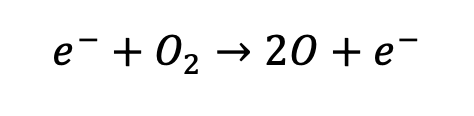
Reaction formula of electron impact dissociation (oxygen split).
Part 3: The Creation of Ozone
Once those individual oxygen atoms are free, they want to bond again. This phase is the primary pathway for ozone formation.
A single oxygen atom (O) collides with a stable oxygen molecule (O2). However, to successfully bond and form ozone (O3), a third “buffer” molecule (notated as M) must be present to absorb the excess energy from the collision. In our atmosphere, this “third body” is typically another oxygen (O2) or nitrogen (N2) molecule.
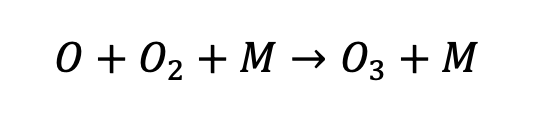
Reaction formula of three-body recombination (creation of ozone).
Part 4: The Lifecycle of Ozone
It is important to understand that ozone is naturally unstable and highlight reactive, meaning it is very short-lived. There are three main ways that ozone is destroyed before it can complete its work:
Self-Decomposition: Ozone is naturally unstable. Almost as soon as it is formed, it begins a self-destruction process where it reverts back into stable, regular oxygen.
Nitrogen Competition: Since our air is approximately 78% nitrogen, the electrical spark can create nitrogen oxides (NOx). These molecules compete with oxygen and can react with ozone before it ever reaches the skin.
Surface Interference: Ironically, the glass electrode used to create the ozone can also destroy it. The dielectric surface of the glass acts as a catalyst that breaks down ozone molecules if they collide with it too frequently.
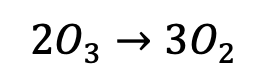
Self-decomposition reaction.

Nitrogen competition reaction.
Section 2: The Biology
Part 1a: How Ozone Destroys Skin Microbes
Ozone and reactive oxygen species (ROS) eliminate bacteria through a process utilizing strong oxidative damage. Unlike some treatments that only target one part of a cell, ozone’s interior and exterior attacks makes it nearly impossible for bacteria to survive.
The Exterior Attack: Membrane Degradation
Oxidative Injury: Ozone and ROS first target the “armor” of the bacteria - the cell wall and membrane. It specifically attacks components like lipoproteins and lipopolysaccharides.
Increased Permeability: This attack creates holes in the cell’s structural integrity. As the membrane becomes more permeable, it allows the ozone to penetrate.
The Interior Attack: Cellular Disruption
Internal Oxidation: Once the cell membrane is breached, ozone and peroxides begin oxidizing internal proteins and lipids.
Enzymatic Disruption: This internal oxidation disrupts essential enzymes and organelles, causing the cell to lose all biological function and die.
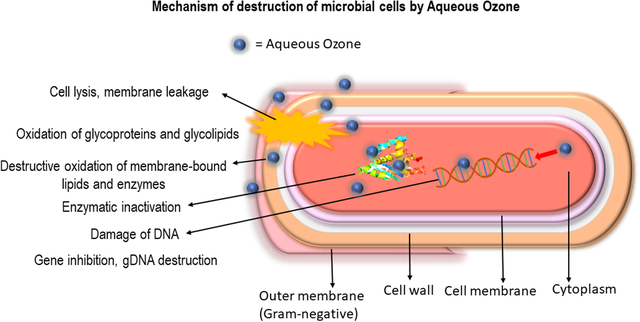
Why Resistance is Rare:
One of the most powerful aspects of HF is how it handles antibiotic resistance.
Fundamental Targeting: Because oxidation destroys basic physical structures of the cell, bacteria cannot easily "evolve a way to block it like they can with traditional antibiotics.
Broad-Spectrum Efficacy: This wide-ranging attack makes cross-resistance rare, meaning the treatment remains highly effective even against stubborn or recurring strains of bacteria.
Summary: HF doesn’t just “sanitize” the surface, it physically dismantles bacteria from the outside in, making it a powerful tool for clearing active breakouts and preventing resistance.
Part 1b: The Chemistry of Cellular Death
Now that we know how ozone eliminates microbes, think of the continued process as a domino effect. Once the HF spark creates ROS, it triggers a three-stage sequence known as lipid peroxidation that causes the bacteria to essentially dismantle itself from the inside out.
Initiation: The “Theft” of Hydrogen
The process starts when high-energy radicals from the plasma field encounter the fats (lipids) that make up the bacterial cell wall.
Mechanism: These radicals want stability. To get it, they “steal” a hydrogen atom from the carbon chain of the bacteria’s healthy fats.
Result: This turns a stable fat (lipid) molecule into an unstable, highly reactive lipid radical. The bacteria’s protective lining is now officially compromised, beginning the domino effect.
Propagation: The Domino Effect
Once the first lipid radical is create, the damage becomes self-sustaining. This is where the treatment becomes effective.
Oxygen Interaction: The new lipid radical reacts with oxygen in the air to create a peroxyl radical.
Starting the Cycle: The peroxyl radical then steals a hydrogen atom from the next healthy lipid molecule sitting beside it. Again, turning a stable lipid molecule into a lipid radical, repeating the process.
Domino Effect: This creates a continuous loop. Each damaged lipid creates a new one, progressively “liquefying” the structural integrity of the bacterial membrane.
Termination: Secondary Toxicity and Lysis
The final stage is where the cell finally collapses (r.i.p.).
Toxic Byproducts: As the fats (lipids) break down, they turn into toxic byproducts (like malondialdehyde, for example). There are internally poisonous to the bacteria’s DNA and enzymes.
Electrochemical Failure: Because the cell wall is now compromised, the bacteria can no longer hold its electrical charge or keep its essential nutrients inside.
Lysis (The Rupture): The cell undergoes lysis, where it physically ruptures and spills its contents, leading to the death of the microbe.
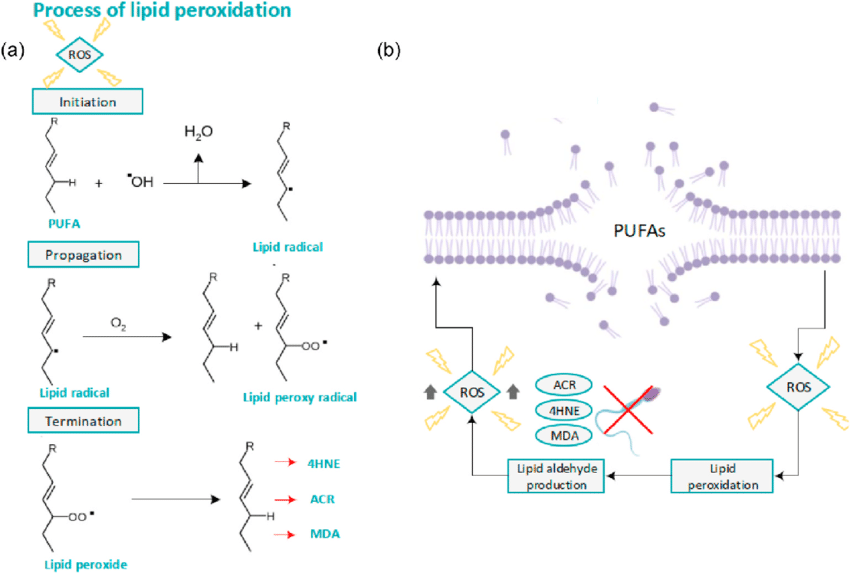
Summary: HF initiates a chemical chain reaction that turns the bacteria’s own protective lipids against it, leading to a total structural collapse. This is why it is so effective for treating active, stubborn microbes.
Part 1c: The Acne Connection - Cutibacterium Acnes
While the chemical “domino effect” (lipid peroxidation) we just discussed is a threat to most microbes, Cutibacterium acne (C. acnes) is uniquely defenseless against HF. This is due to its nature as an anaerobic bacterium, meaning it thrives in oxygen-poor environments (like deep inside a pore).
Because C. acnes prefers to live with minimal oxygen, it lacks the antioxidants defenses that other bacteria use to survive. When the HF wand creates an oxygen-rich “ROS cloud,” you are essentially hitting the bacteria with its greatest natural weakness.
Re-Applying the Science:
If you remember the initiation phase from the previous section, this is where it gets more unique for C. acnes:
Double Bond Attack: Ozone acts as a “magnet” (electrophile) that specifically targets the double bonds in the lipids of the C. acnes cell wall. Because this bacteria’s lipids are highly sensitive to oxygen (anaerobic), the peroxidation process starts aggressively.
Oxidative Damage: As the ozone-derived compounds break down, they create secondary ROS (like hydrogen peroxide) on the skin. This deepens the oxidative damage, reaching the bacteria even if it’s deeper in the follicle.
As the oxidation progresses, the C. acnes bacterium suffers a total system collapse, similar to the termination phase from the previous section:
Protein Damage: The ROS cloud begins carbonylation, a process that breaks down the proteins that hold the bacteria together.
Loss of Energy: The bacterial membrane loses its electrical gradient, known as the proton motive force. Without it, the cell cannot produce ATP, causing the cell to run out of energy.
Cell Death: As the membrane holes grow, essential nutrients leak out while toxic ions leak in. Secondary ROS and toxic byproducts attack the bacteria’s internal DNA and metabolic enzymes. The cell reaches a point of “redox imbalance” where its internal chemistry is so unbalanced that it can no longer support life.
Summary: The effectiveness of HF against acne is rooted in the bacterium’s inability to neutralize the oxidative stress we detailed in Part 1b. Because C. acnes is anaerobic, introducing oxygen and ROS causes a multi-system failure. This targeted biological shutdown is why the treatment remains effective even against stubborn, antibiotic-resistant strains.
Part 2: The Clinical Evidence
The effectiveness of ozone (the primary byproduct of HF) is well-documented across various pathogens, even those that become resistant to traditional antibiotics.
Near-Total Eradication: Kill Rates
Research into ozonated mediums shows staggering results against common skin pathogens like Staphylococcus aureus and MRSA, known for its antibiotic-resistant tendencies:
100% Kill Rate: In study models using ozonated water, S. aureus and MRSA were completely eradicated in just one minute.
98-100% Kill Rate: When using ozonated oils, the same bacteria were neutralized within 5 to 15 minutes.
Broad-Spectrum Benefits
HF and ozone therapy provide a range of benefits that go beyond killing bacteria:
Viral and Fungal Defense: Evidence confirms that this treatment isn’t just for bacteria, it has bactericidal, fungicidal, and virucidal effects.
Wound Healing & Recovery: In clinical models of skin ulcers, topical ozone reduced the bacterial load while improving the skin’s ability to close wounds and form new, healthy tissue.
Balancing the Microbiome: In cases like atopic dermatitis, ozone treatments decreased harmful bacteria while increasing the overall diversity of the skin’s healthy microbiome.
Common Conditions
Systematic reviews of topical ozone show consistent benefits for:
Active skin infections
Slow-healing wounds (like diabetic ulcers)
Inflammatory conditions like atopic dermatitis
Chronic acne and stubborn blemishes
Section 3: The Plasma
While the ozone created outside the glass does the heavy lifting for surface bacteria, the gas inside the electrode determines the light energy (plasma) delivered to the skin. This internal gas dictates the color of the glow and how your cells respond to the treatment.
Part 1: The Plasma Physics
The difference in how these gases behaves comes down to their ionization energy, or how much electrical stimulation they need to light up.
Argon (Violet/Blue Glow): Argon has lower ionization thresholds, making it easier to sustain a glow. It produces a wavelength in the ~400-420 nm range.
Neon (Orange/Red Glow): Neon requires a higher voltage to ignite and, therefore, produces a “hotter” glow. Its wavelength falls in the ~560-610 nm range.
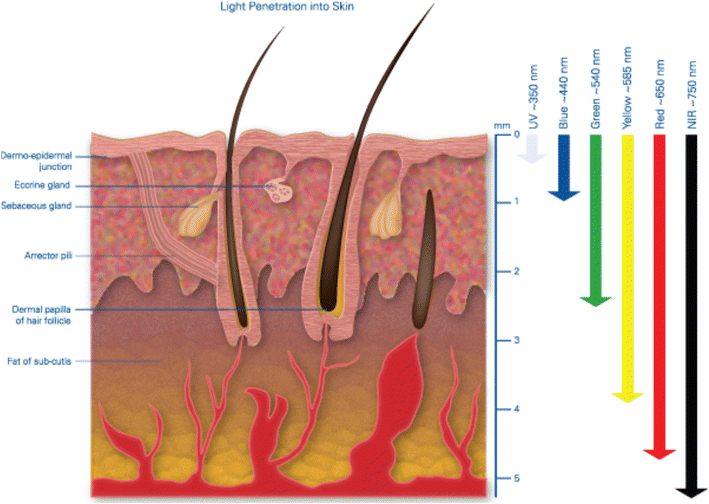
Part 2: The Photobiology of Violet Light (Argon)
When argon gas is excited within the electrode, it emits a violet/blue glow in the ~400-420 nm range. In the study of photobiology, this specific band is known for being pro-oxidative. It carries the highest phytotoxicity (light-induced cell stress) among all visible light bands.
How it Impacts the Cells:
Argon’s violet light initiates a deep cellular response in skin cells:
Oxidative Stress & DNA: At clinical doses, wavelengths between 408-415 nm induce heavy production of ROS. This creates “oxidative DNA lesions,” which are essentially “burns” to the cell’s genetic code.
Mitochondrial & Lysosomal Injury: Research shows this light frequency stressed the mitochondria (cell’s power plant) and lysosomes (cell’s waste disposal system), temporarily disrupting the cell’s ability to “clean” itself (autophagy).
Inflammatory Triggers: This light frequency can activate NF-κB signaling, a signaling pathway that triggers the production/release of inflammatory cytokines.
Why is it so reactive?
The reason violet light is so reactive is that it targets chromophores, light-absorbing molecules present in our skin like melanin, flavins, and porphyrins.
Singlet Oxygen Generation: When the violet light hits these molecules, they become energized and generate singlet oxygen, a high-energy form of oxygen.
Structural Breakdown: This energy cascade can lead to the upregulation of matrix metalloproteinases (MMPs), enzymes that break down collagen and elastin, potentially leading to photoaging if overused.
How This Impacts Pigmentation:
Because argon operates at such a high energy level, it has a visible effect on skin tone:
Opsin-3 Signaling: Unlike standard UV rays, violet light (415 nm) activates a specific sensor in your pigment cells called Opsin-3.
Hyperpigmentation: This activation causes a dose-dependent, long-lasting hyperpigmentation that can be more intense than the darkening caused by UVB rays. This is particularly important for practitioners to monitor when treating deeper skin tones.
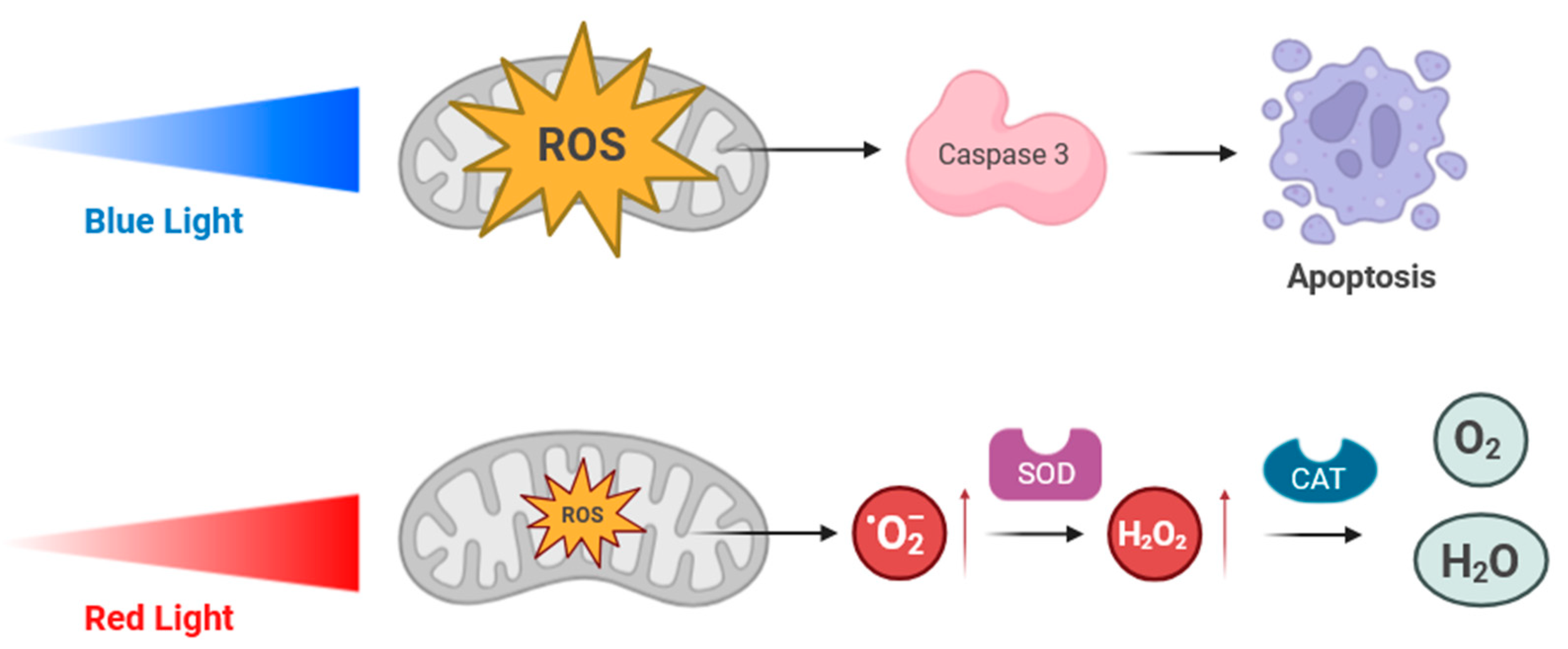
Blue light triggers ROS production within the mitochondria, leading to deconstruction of the target cell.
Part 3: The Photobiology of Orange Light (Neon)
In contrast to the intense nature of violet light, neon produces an orange/red glow typically in the ~560-630 nm range. This band is associated with photobiomodulation (PBM), a process where light energy is used to enhance cellular repair and reduce inflammation.
Cellular & Molecular Repair:
Neon’s red/orange light acts as a biological “reset",” supporting the skin’s integrity:
Neutralizing ROS: In skin models, orange light (~560-630 nm) has been reported to actually reduce oxidative stress caused by UVA exposure.
Collagen Stimulation: Instead of activating enzymes that break down the skin, this wavelength is noted for its ability to upregulate collagen expression, helping to rebuild the skin’s structural matrix.
Mitochondrial Support: While blue/violet light can stress the mitochondria, low-intensity orange/red light (610 nm) supports them, increasing cell proliferation and helping scratch wounds close faster without disrupting the cell’s energy potential.
Pro-Aging & Healing Effects:
The mechanism behind the neon glow makes it a primary choice for rejuvenation:
Mechanism of Action: The 600-700 nm range primarily modulates mitochondrial chromophores. This promotes synthesis and repair with significantly less direct DNA damage than the blue/violet bands.
Enhanced Viability: Studies show that exposure to these wavelengths improves cell morphology (shape) and overall cell viability.
Safety & Pigmentation Profile:
Clinical data shows a significant safety difference between the two gases regarding skin tone:
Anti-Oxidative Nature: Overall, orange/red light at low-to-moderate doses appears anti-oxidative rather than pro-oxidative.
Minimal Pigment Risk: Unlike argon’s 415 nm light, there is no evidence of direct DNA damage or persistent hyperpigmentation associated with the orange/red bands, making it a safer profile for long-term anti-aging protocols.
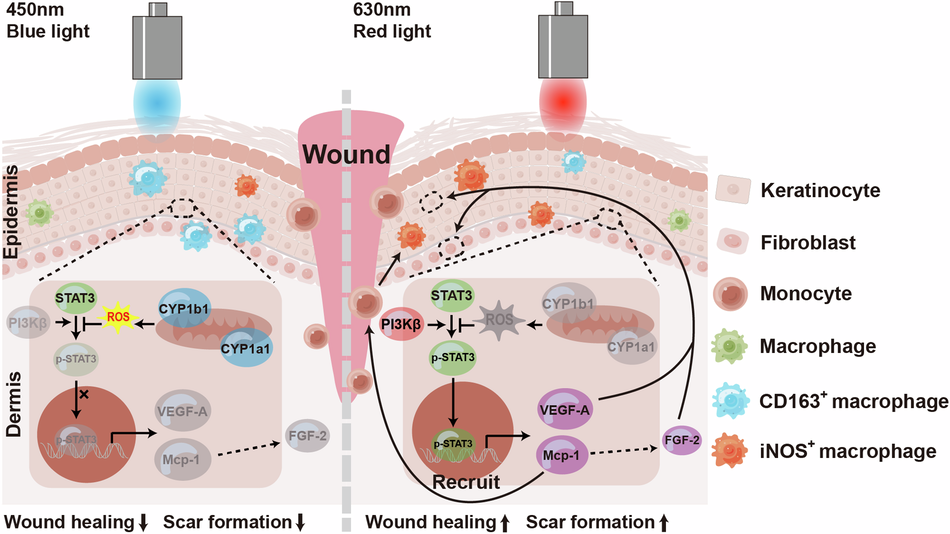
Summary: If your goal is deconstruction of bacteria and biofilm in active acne, argon (violet) uses a high-energy oxidative attack to get the job done. If your goal is reconstruction (repairing tissue, boosting collagen, reducing redness), neon (orange/red) uses photobiomodulation to support and heal the cell.
Section 4: The Benefits
Beyond its ability to neutralize bacteria, HF current acts as a biological stimulant. By looking at broader research in electrical stimulation (ES) and radiofrequency (RF), we can understand the specific physiological shifts that can happen during a treatment.
Part 1: Tissue Response & Microcirculation
Blood Flow: The application of current induces significant vasodilation, the widening of blood vessels. Studies show this can increase capillary perfusion, the delivery of blood to the smallest vessels, by up to three-fold.
Nutrient Delivery: This surge in circulation acts as a delivery system, flooding the area with oxygen and nutrients while accelerating the removal of toxins and cellular waste.
Seboregulation: HF targets the environment of the pore by producing controlled thermal energy that helps regulate overactive oil (sebaceous) glands.
Collagen & Healing: The electrical field encourages fibroblasts (cells responsible for skin structure and crucial for cell-to-cell communication) to migrate and synthesize new collagen. This helps reorganize the skin’s matrix, leading to faster wound closure and a reduction in the appearance of post-acne scarring.
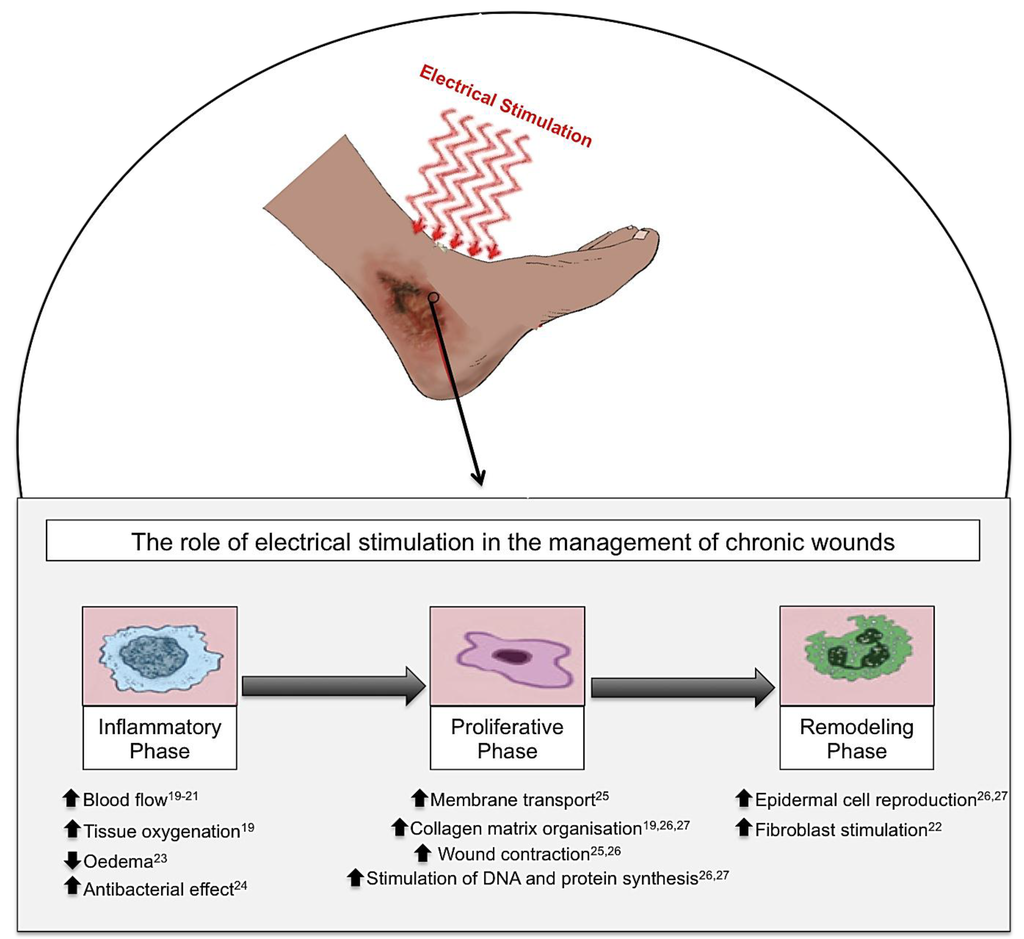
ES for wound healing, but same concept/mechanisms.
Part 2: Scalp & Hair Stimulation
While specific studies on the comb” electrode are still emerging, we can look at established research on alternating electrical fields to understand how HF impacts the hair follicle.
Stimulating the Follicle: Research into RF shows that targeted electrical energy can increase cell proliferation within the hair follicle while reducing cell death.
Activating Growth Pathways: The stimulation provided by HF devices may active the Wnt/β-catenin pathway, which stimulates the initiation of the anagen (growth) phase by promoting stem cell activation, hair matrix cell proliferation, and differentiation.
Denser Hair: By upregulating growth factors like VEGF (vascular endothelial growth factor), which improves blood supply, and FGFs (fibroblast growth factors), electrical stimulation helps create a more robust structure for the hair shaft. In clinical pilot trials, similar electrical modalities resulted in a 10-15% increase in hair density over ten sessions.
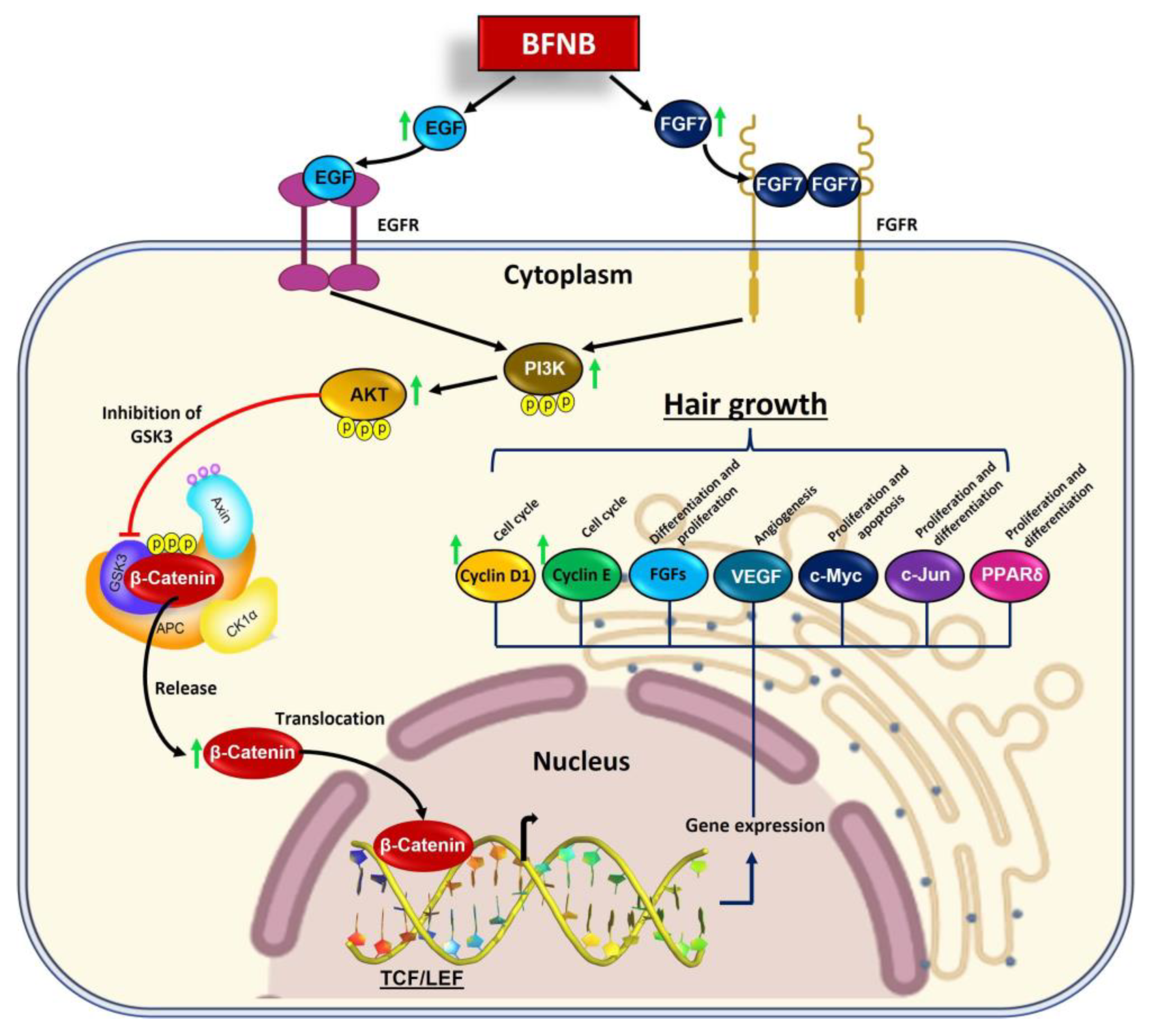
High-frequency stimulation may act as a catalyst for hair growth by activating the Wnt/β-catenin pathway. This biological "switch" signals the follicle to move from a resting phase into an active growth phase, leading to increased hair density and strength.
Section 5: Methods & Techniques
The efficacy of HF treatments is determined by one simple factor: the distance between the electrode and the skin. By understanding the principles of electrical engineering and thermal physics, we can understand why professionals vary their technique to achieve different results.
Part 1: Technique
Practitioners typically choose between direct contract and an air gap (hovering the wand or using gauze) to optimize their treatment.
Thermal Delivery vs. Resistance: In direct contact, electrical energy is delivered with maximum efficiency, leading to greater localized heating for the tissue. Introducing an air gap (hovering or using a layer of gauze) increases electrical resistance and reduces current density, which actually lowers the direct heat delivered.
Ozone Volume: High-frequency currents ionize oxygen molecules within the air to produce ozone. A larger air gap provides more physical space (ionization volume) for this ozone to form. Gauze is not needed for this reaction to take place.
Antiseptic Trade-Off: Because a gap increases ozone concentration, it is the preferred method for treating active acne or wounds. Direct contact is better for heat, but produces less ozone locally because there is less space for ionization.
Sparking Method: By intentionally lifting the electrode slightly over a blemish, the user creates a concentrated spark, or microdischarge. This produces a targeted burst of ozone and ROS exactly where the bacterial burden is highest.
Part 2: Grounding
In HF treatments, the human body and the device form a capacitive system. The practitioner’s touch is what regulated this entire circuit.
Regulating Capacitance: Grounding involves the practitioner touching the client to complete the electrical circuit. This stabilizes the system’s ability to store and release energy.
Preventing Static Buildup: Without grounding, electrical charges can accumulate on dry skin, increasing surface resistance. By maintaining contact, the practitioner provides a "low-resistance path” that allows these charges to dissipate safely.
Preventing the Shock: The primary clinical goal of grounding is to prevent the uncomfortable shocks that happen when the potential difference between the electrode and the skin becomes too high. Constant dissipation keeps the treatment stable and comfortable for the client.
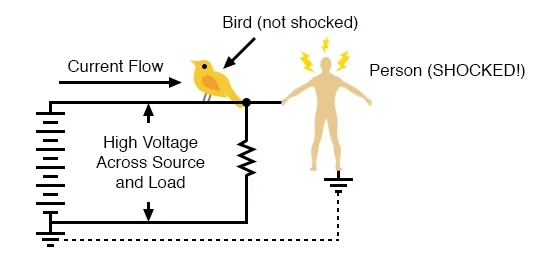
By completing the circuit, your practitioner ensures that high-frequency energy flows safely through the skin rather than building up into a static shock.
Section 6: Safety
While HF treatments are generally safe and the effects are transient, their oxidative and electrical properties require caution to prevent injury.
Ozone Inhalation & Respiratory Safety:
Because HF creates a “plasma cloud” of ozone, we must be mindful of the air we breathe:
Respiratory Sensitivity: Even at low concentrations produced during a facial, ozone’s strong oxidizing properties can irritate the respiratory tract.
Ventilation: While severe side effects are rare, mild irritation can occur with improper use. Practitioners should always ensure proper ventilation in the treatment room to minimize direct inhalation of the gas.
Absolute Contraindications:
Electronic Implants: Patients with pacemakers or other implanted electronic devices must avoid treatment. This electrical field can cause interference with these devices.
Pregnancy: As with many advanced modalities, safety has not been established for pregnant women, and they are considered a vulnerable population for this treatment.
Medical History: Severe cardiovascular or respiratory diseases, active bleeding disorders, and uncontrolled hyperthyroidism are all contraindications due to the device’s oxidative and circulatory impact.
Best Professional Practices:
Precise Distance Control: Use direct contact when you want thermal stimulation and an air gap (gauze or sparking) when you need the antiseptic power of ozone for acne.
Maintain Your Ground: Never break physical contact with the client once the current is flowing. This stabilizes the system’s capacitance and prevents the sudden static shocks that occur when a circuit is broken and reconnected. This varies across devices, as some are self-grounding.
Clear the Metal: Ensure all jewelry and metal objects are removed from the treatment area. Metal acts as a “lightning rod,” concentrating the current and potentially causing localized burns.